
Need assistance?
Need Assistance? Call Us 0330 058 0630
04/02/2026 • by Alice P
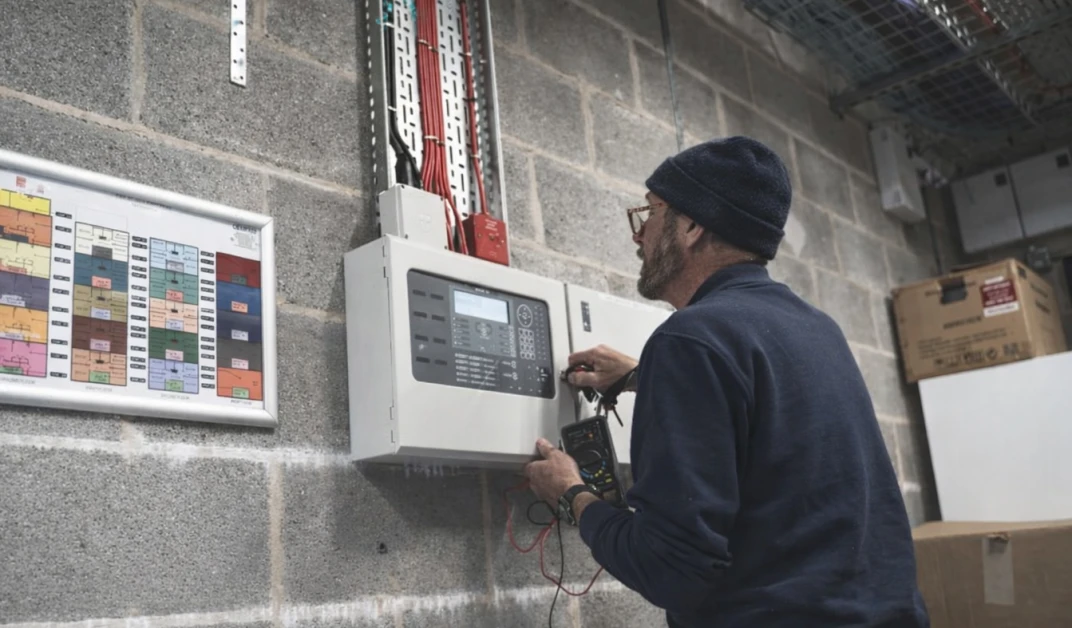
The 2025 revision of BS 5839-1 came into force on 30 April 2025. It is not a complete overhaul, but it does tighten expectations in a few key areas that designers, installers and commissioning engineers need to be aware of as projects move into 2026.
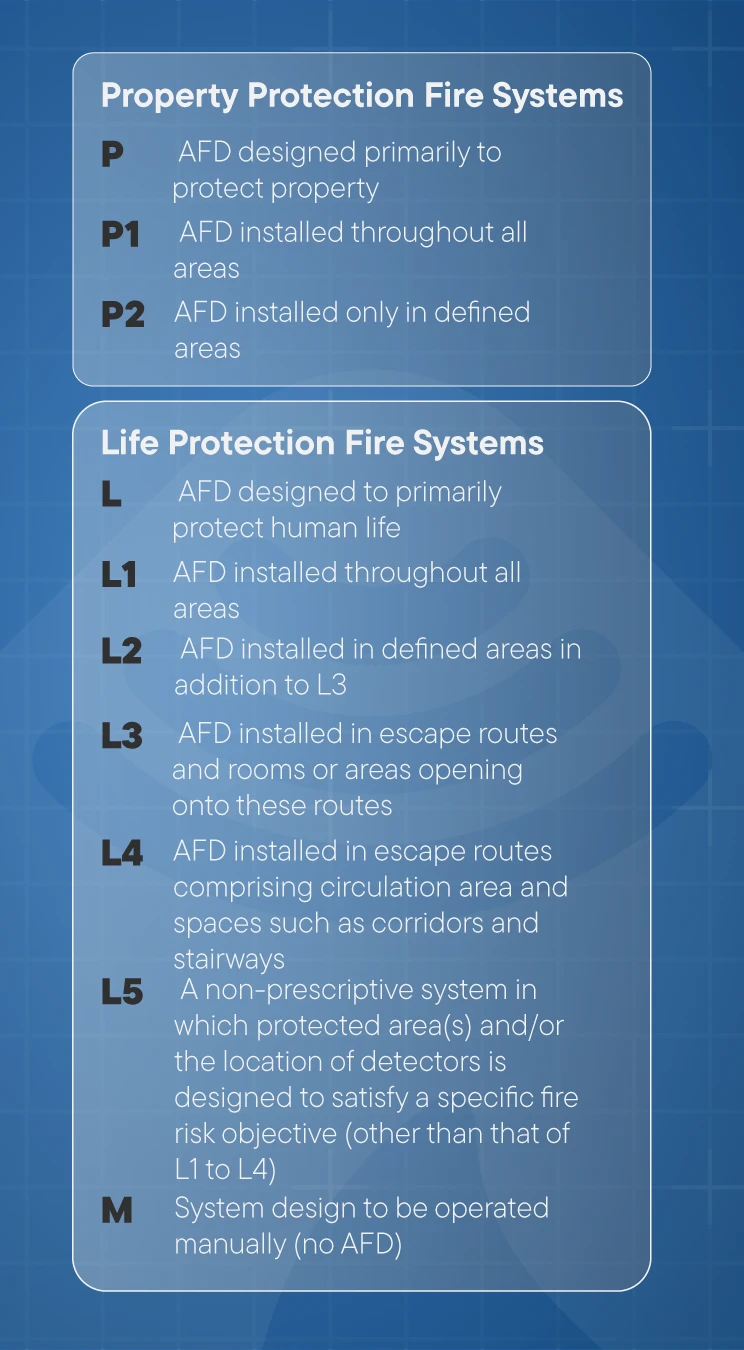
The familiar system categories, L1–L5, P1/P2 and M, have not changed. But what has changed is the way they are explained.
The updated standard puts more emphasis on selecting the category based on how the building is actually used, rather than defaulting to a familiar option.
This is intended to reduce poorly justified designs where the category chosen does not properly reflect the risk profile of the building.
For engineers, this means clearer justification is expected at design stage, especially on mixed-use or higher-risk premises.
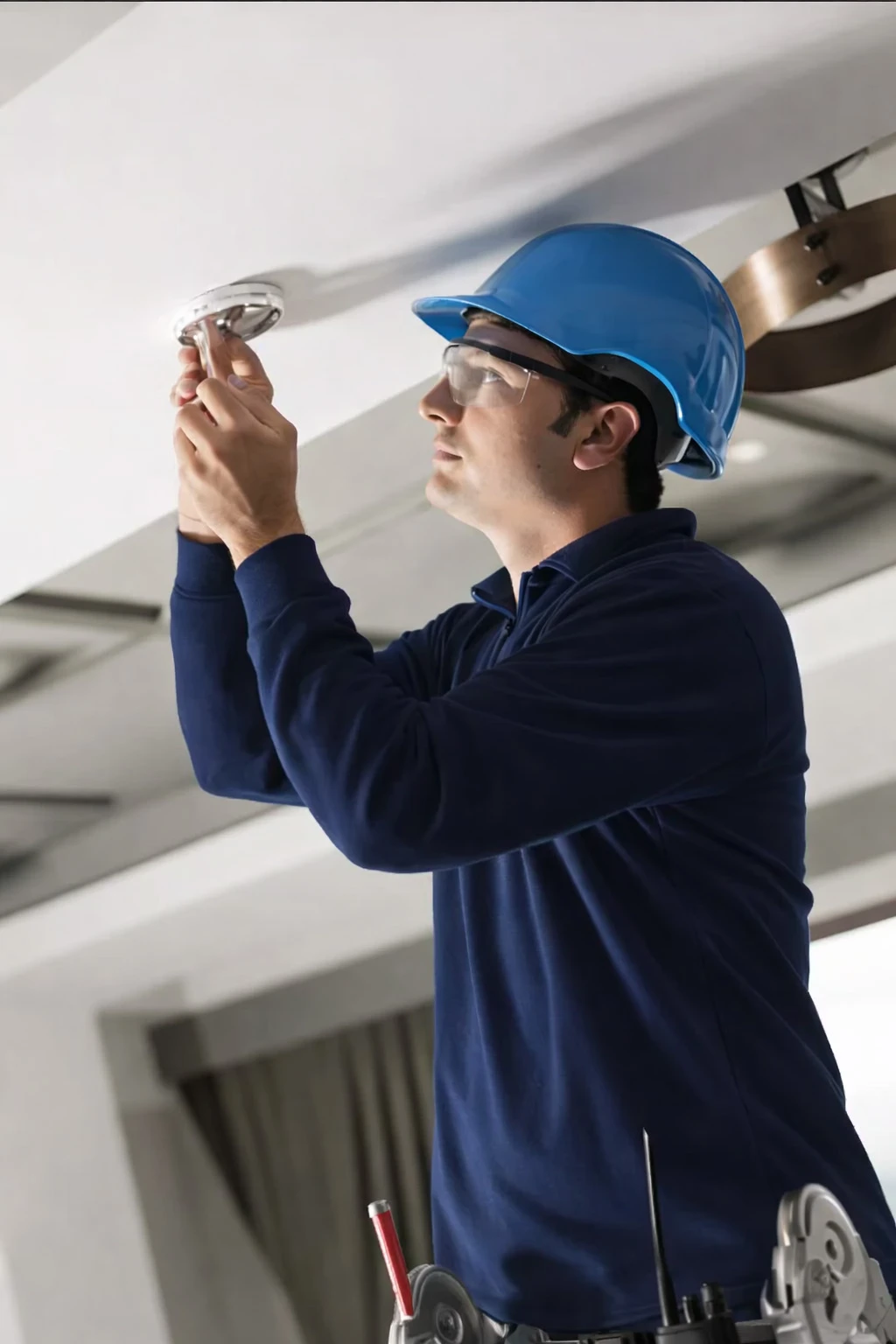
In the recent update, detector choice is more rigid.
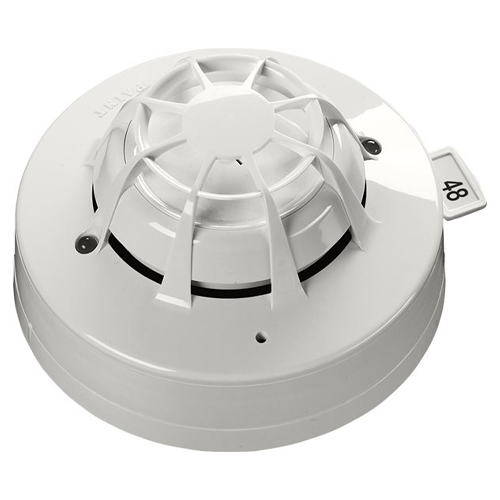
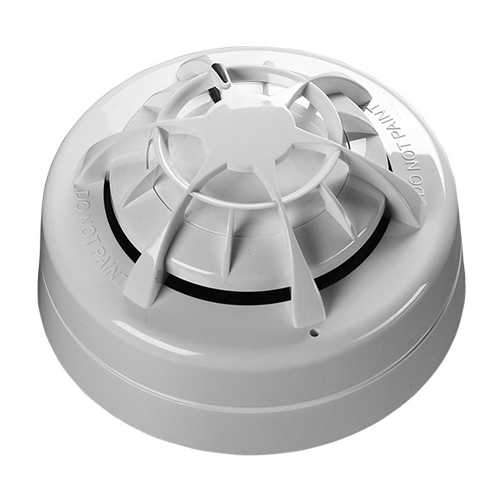
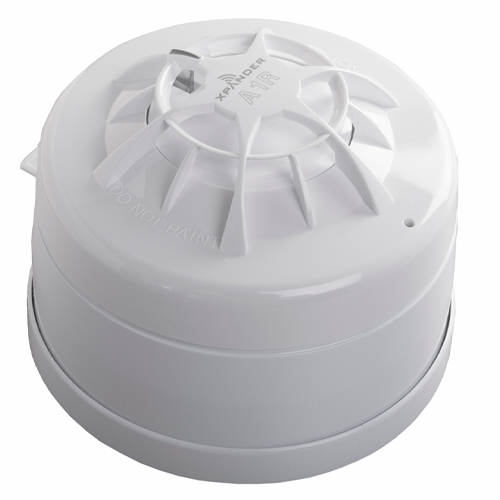
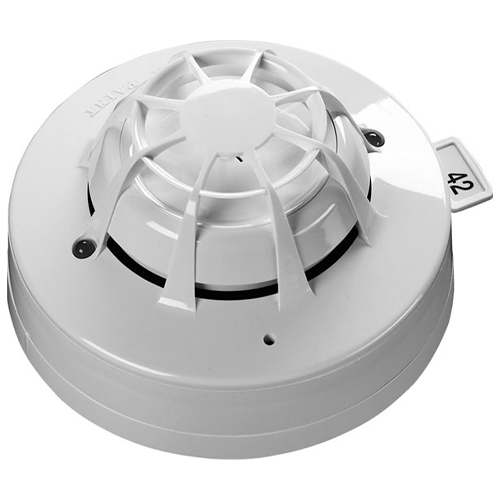
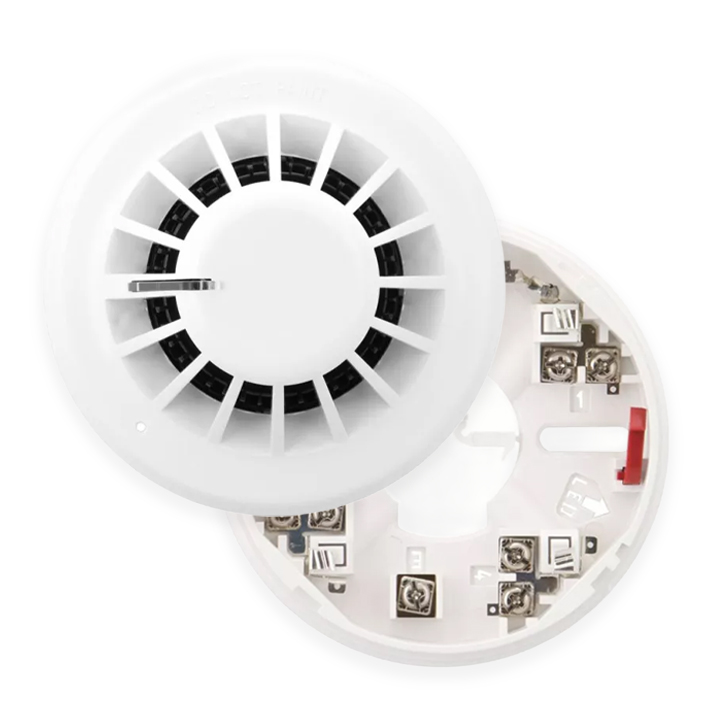
Multisensor detectors are now recommended more frequently, particularly in sleeping accommodation, where improved discrimination between fire and non-fire signals is critical.
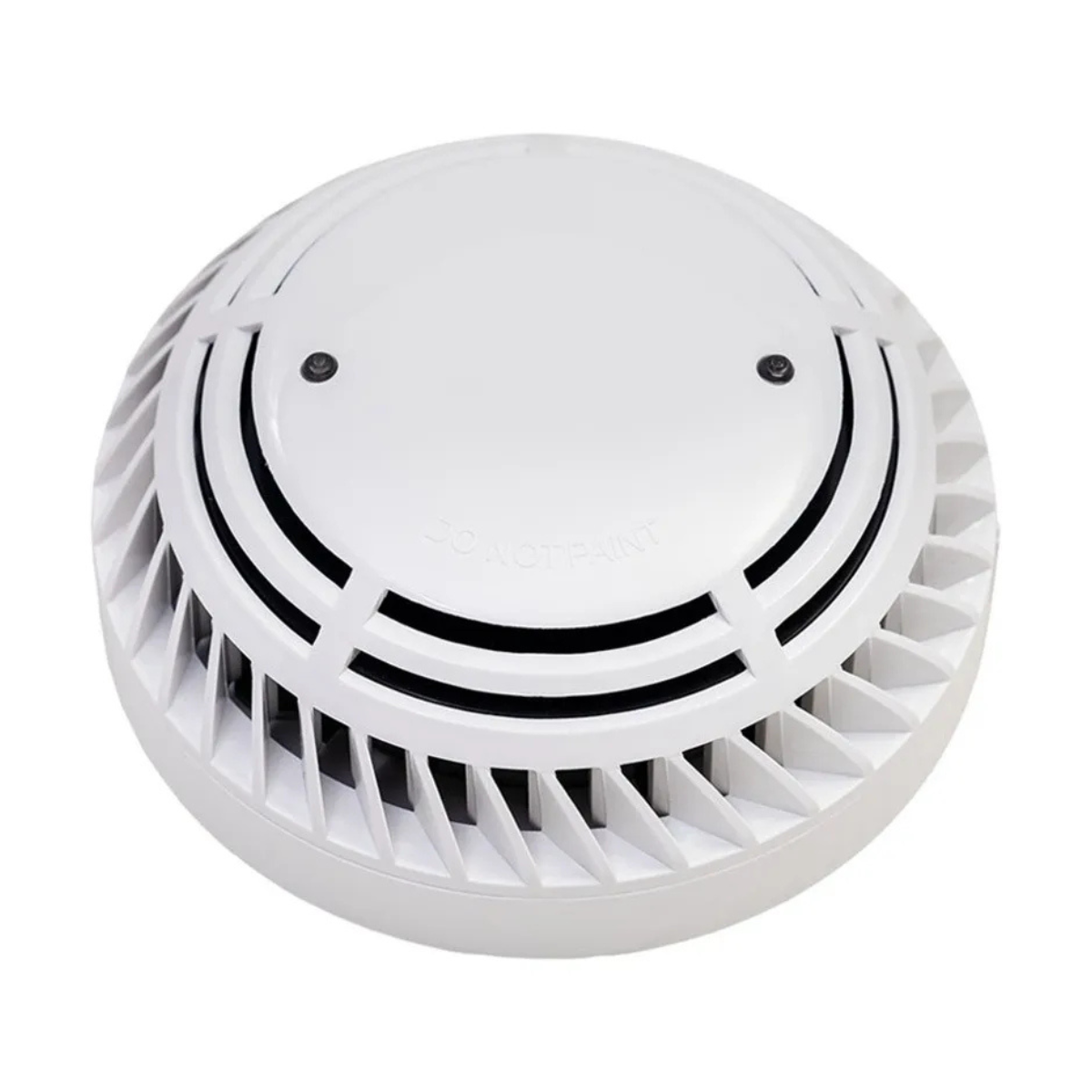
Smoke detectors remain acceptable in escape routes, but they must meet tighter performance expectations.
Heat detectors still have a place, but only where their use can be clearly justified by environmental conditions or fire risk. Blanket use of heat detection without reasoning is less defensible under the updated guidance.
This is due to many installers and building owners opting for heat alarms over smoke alarms in particularly the hospitality sector. Hotel occupants and guests tend to trigger smoke alarms more easily due to steam created from showers, smoking and vaping.
ex vat
ex vat
ex vat
ex vat
ex vat
ex vat
Signal timing is now explicitly defined. Manual call point activations must reach the control panel within 3 seconds. Automatic detector activations must reach the panel within 10 seconds.
Where delayed alarms are used, such as staged evacuation strategies, the delay must be clearly explained, justified and documented. Assumed or undocumented delays are no longer acceptable.
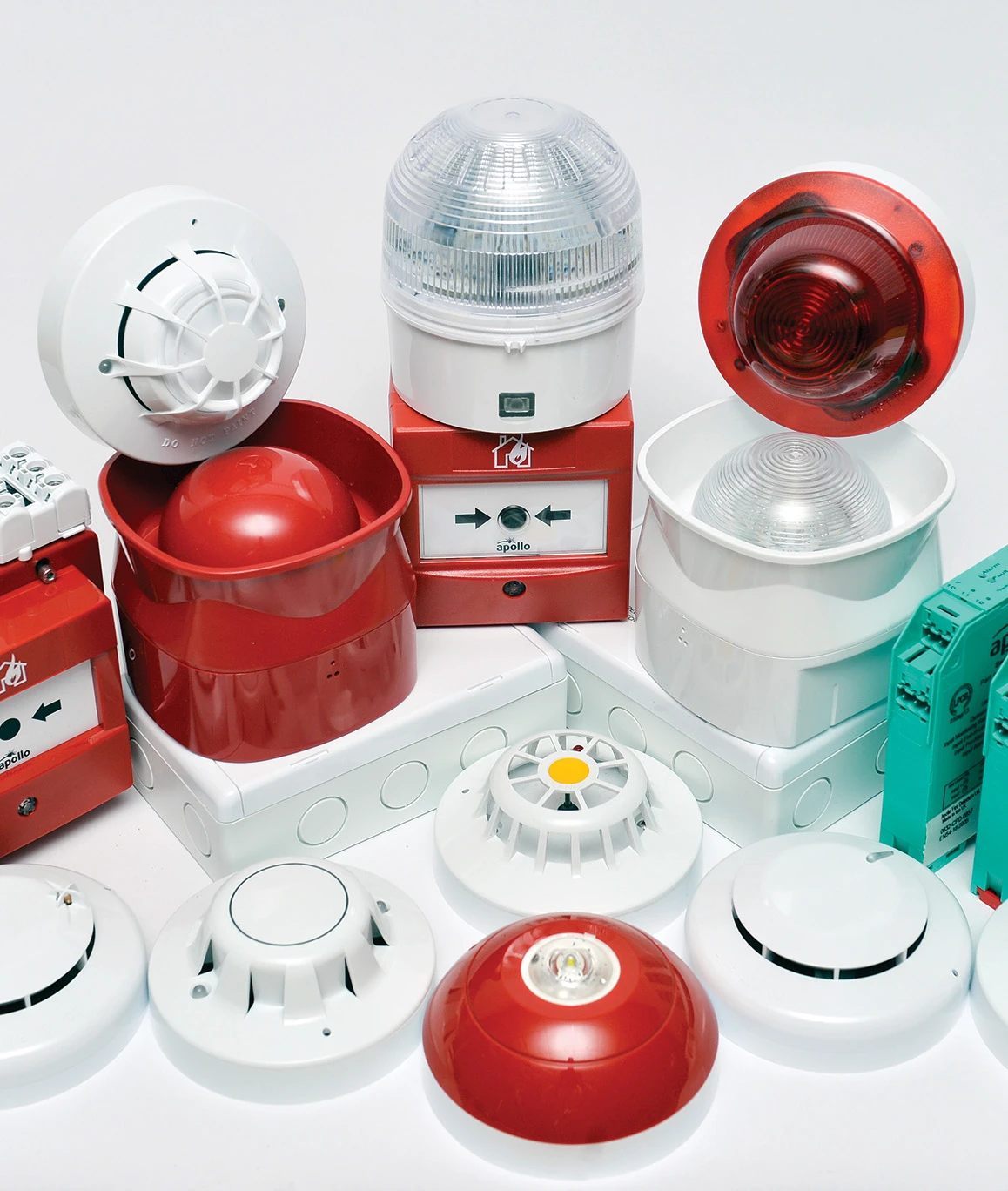
All fire detection cables must now comply with BS EN 50575, aligning BS 5839-1 more closely with CPR requirements.
For circuits critical to life safety, the standard raises expectations around fire resistance. PH120-rated cable, or an equivalent solution, is recommended in these areas.
Red-sheathed cable remains the default for identification. If an alternative colour is used, this must be clearly documented, along with the reasoning behind the choice.
One of the more important changes affects system alterations.
Any extension or modification to an existing system now requires formal confirmation that all components are compatible. This is especially relevant where legacy panels are retained and newer addressable or wireless devices are introduced.
Crucially, modifications must be assessed against the current BS 5839-1:2025 standard, not the standard in place when the original system was installed. This closes a common compliance gap on upgrade projects.
Handover expectations are higher.
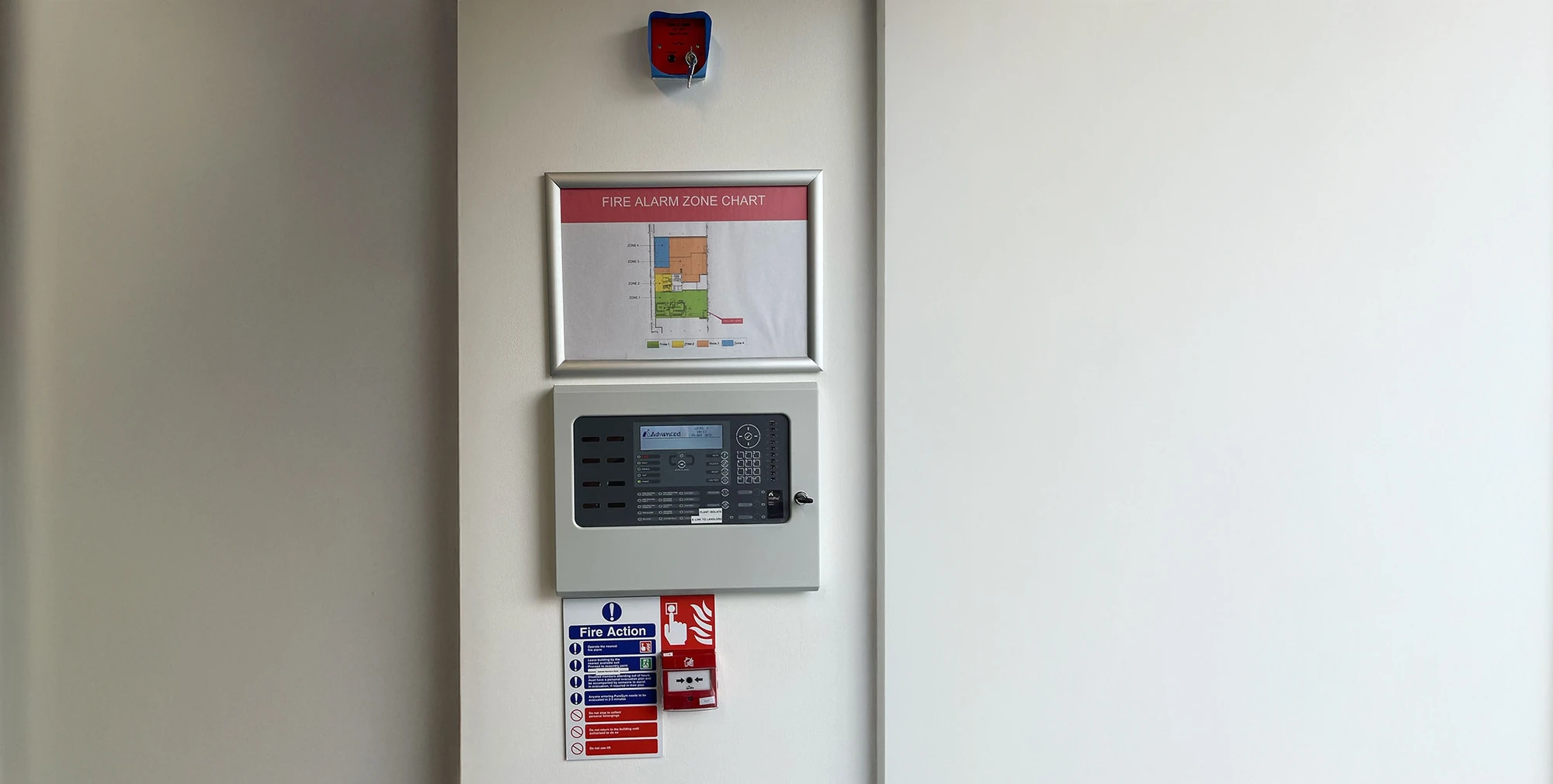
Commissioning documentation must now be more comprehensive, including accurate fire alarm zone drawings, cause-and-effect matrices and full test certification. Generic or incomplete handover packs are unlikely to meet the standard.
There is also greater emphasis on confirming that system users are competent. Where on-site training is not possible, clear operating instructions or user guides must be provided so the system can be managed correctly after handover.
The update aligns BS 5839-1 more closely with Approved Document B following its own 2025 revisions.
Detection strategies are expected to be risk-led and considered earlier in the design process. This increases the need for coordination between fire engineers, architects and M&E designers, rather than fire alarms being treated as a late-stage add-on.
For engineers, this means more involvement upstream, but also fewer compromises later in the project.
05/01/2021 • by Lynsey B
29/07/2025 • by Alice P


