
Need assistance?
Need Assistance? Call Us 0330 058 0630
19/12/2025 • by Alice P
The Quick Answer
Smoke alarms can chirp or trigger false alarms due to dust, insects, steam, incorrect placement or ageing sensors. Using the correct type of alarm for each room and carrying out simple maintenance like vacuuming can help reduce false activations. If your smoke alarm is over six years old and continues to trigger randomly, it is likely time to replace it.
Many people find that their smoke alarm randomly chirps every now and again. Sometimes this chirping can wake you up in the night, causing panic. When you go to check the situation, you then realise there is no fire.
There are many reasons why your smoke alarm may chirp when there is no fire present.
Most of these reasons relate to the general maintenance of your home fire alarm system. However, the number of homes carrying out these routine checks is worryingly low.
If your smoke alarm is triggering randomly, it can drastically reduce its lifespan. To make sure your fire alarms work when you need them most, it is important to follow some basic maintenance tips.
Our first tip is to ensure you have the correct type of fire detector in each area of your home. The type of room plays a big role in determining which alarm should be installed.
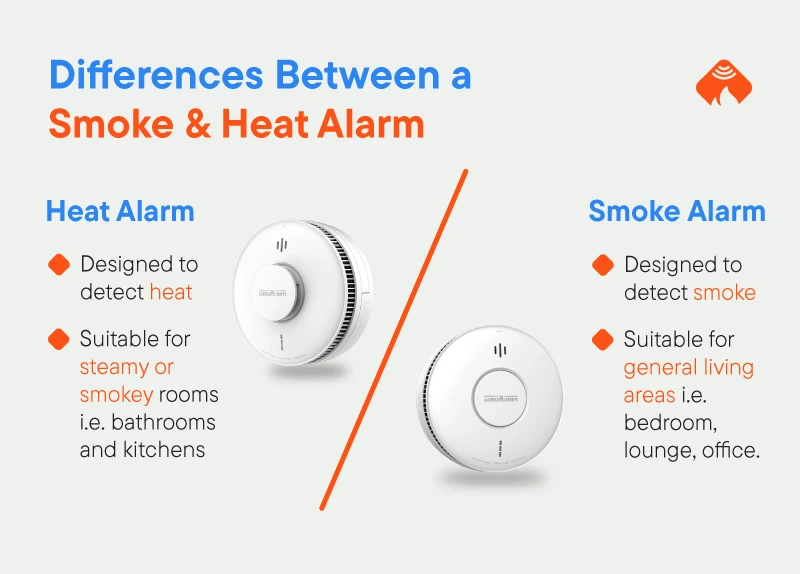
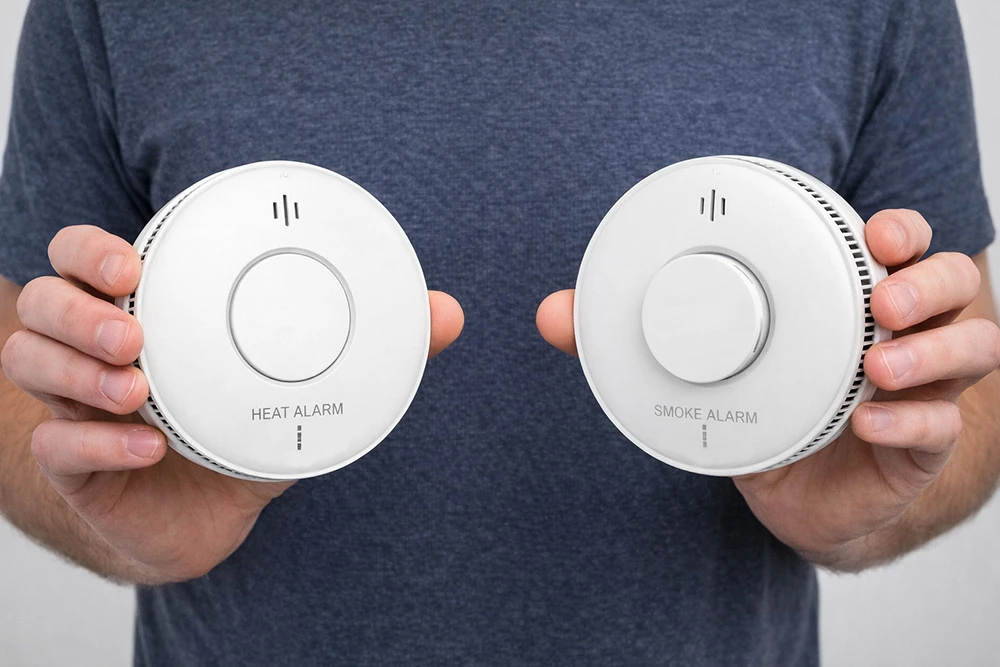
There are two main types of detectors: smoke alarms and heat alarms.
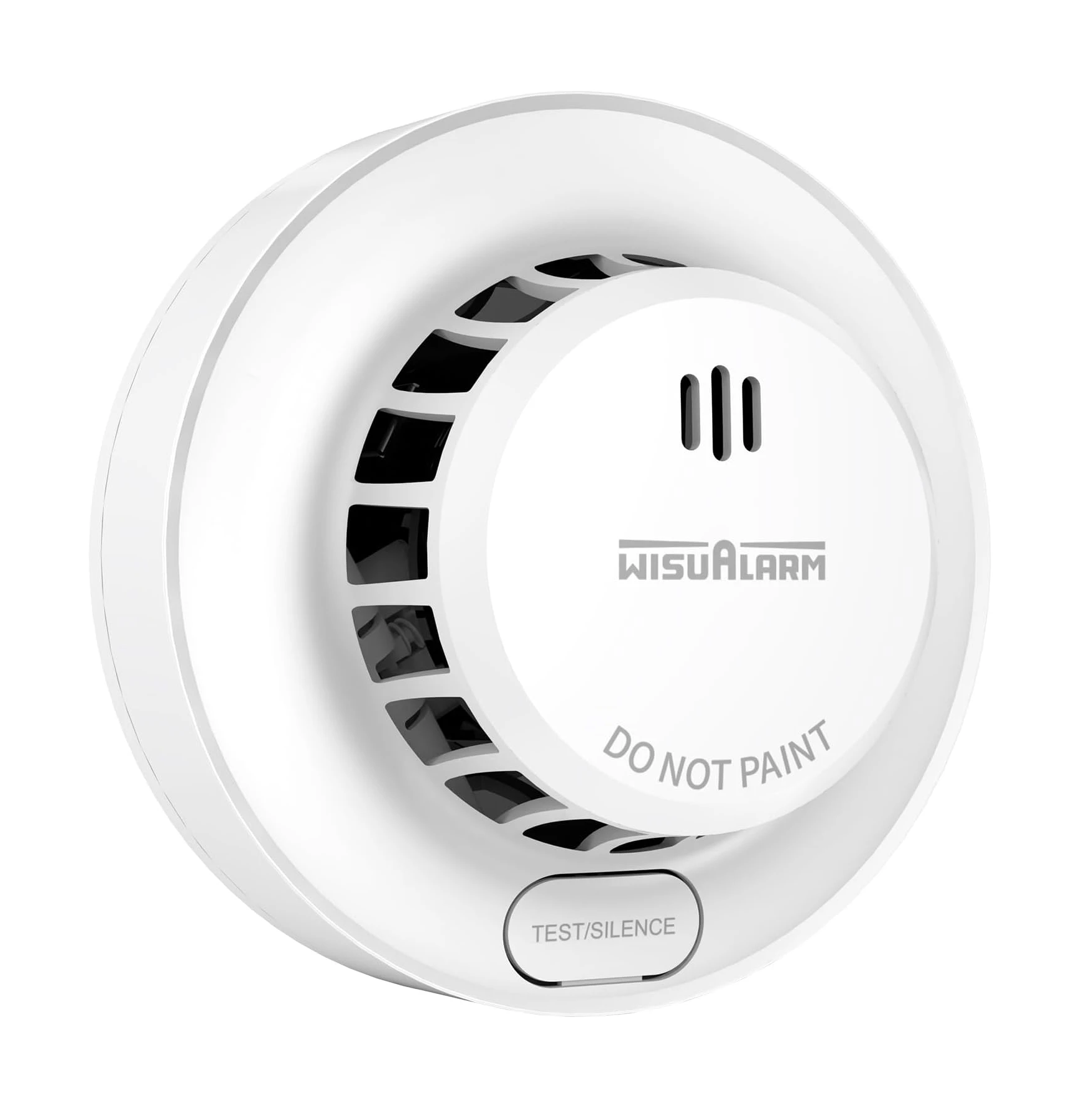
Smoke alarms are designed to detect particles in the air, specifically smoke particles. However, other particles such as dust and steam can also trigger the alarm.
Heat alarms, on the other hand, react to a rapid rise in temperature. These alarms are not triggered by particles because they use a component called a thermistor.
For this reason, smoke alarms should not be installed in smoky, steamy or dusty environments. If you are fitting an alarm in a kitchen, bathroom, garage or near a bathroom, we recommend installing a heat alarm instead.
ex vat
ex vat
ex vat
ex vat
ex vat
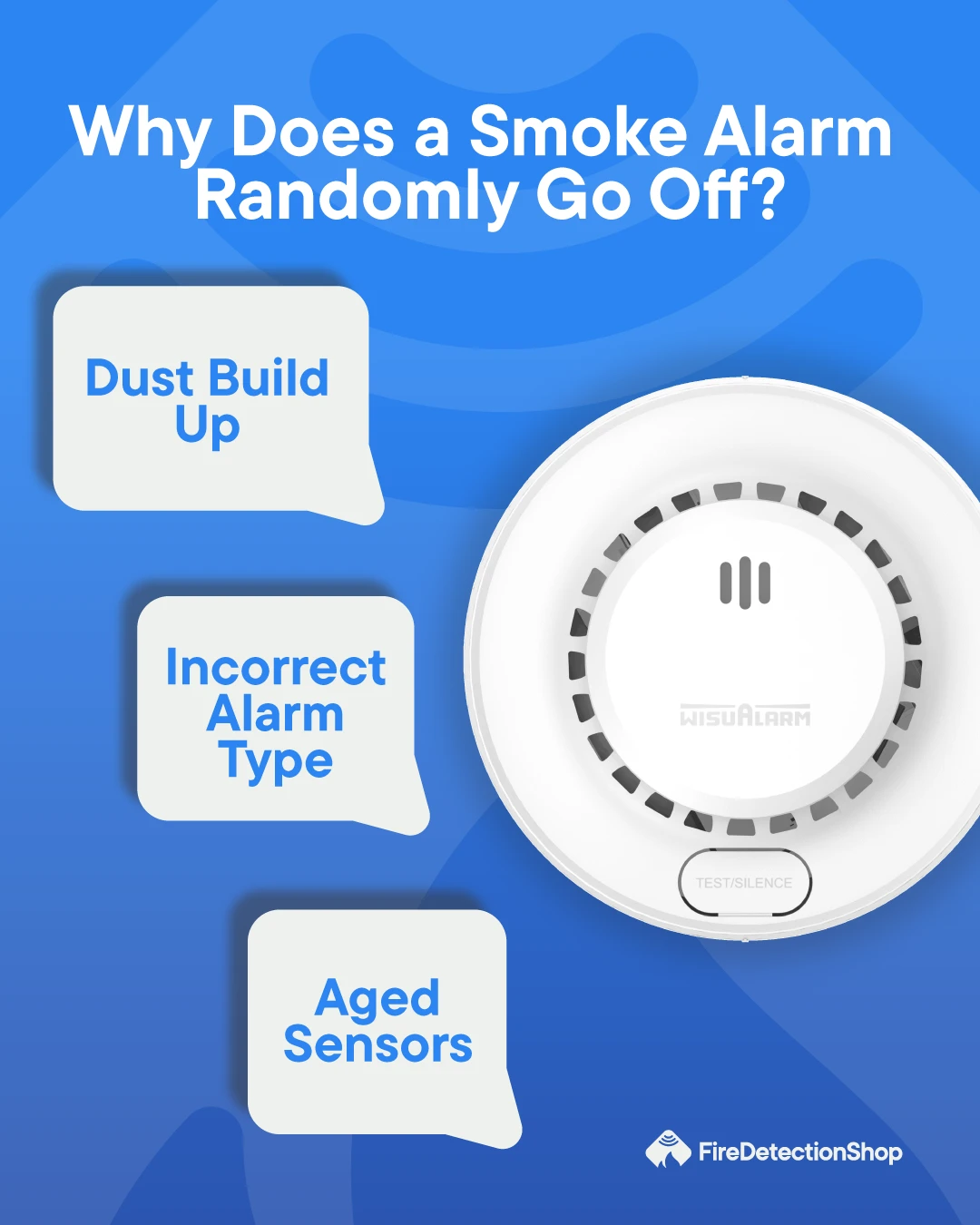
Although most smoke alarms include a mesh or internal design to reduce dust build up, dust can still accumulate inside the unit over time.
Small insects can also find their way inside smoke alarms, particularly during colder months when spiders and other insects seek shelter indoors.
This debris can cause false alarms. The more false alarms you experience, the more strain is placed on the battery.
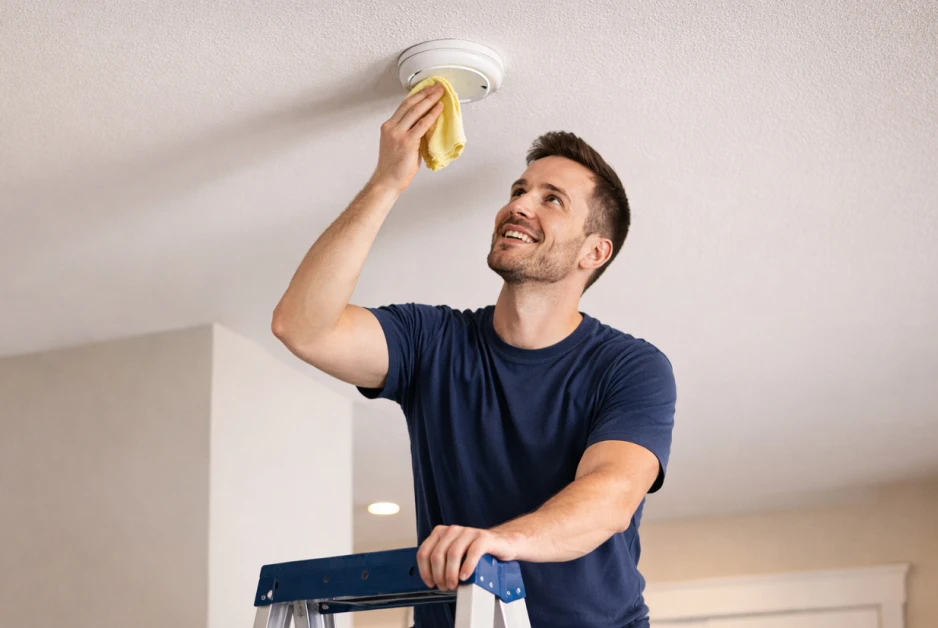
To reduce this risk, use a vacuum cleaner to remove dust and debris. This can be done by removing the alarm from its base or by using a vacuum with a long hose attachment.
If you are vacuuming the alarm while it is still mounted, take care not to knock or hit the unit, as this could cause damage.
Smoke alarms do not last forever. Even if they still chirp when tested, this does not always reflect the condition of the internal sensors.
If your alarms are between six and ten years old, you may notice more frequent false alarms. This is often caused by sensor degradation, which makes the alarm more sensitive over time.
Unfortunately, the only solution is to replace the alarm entirely.
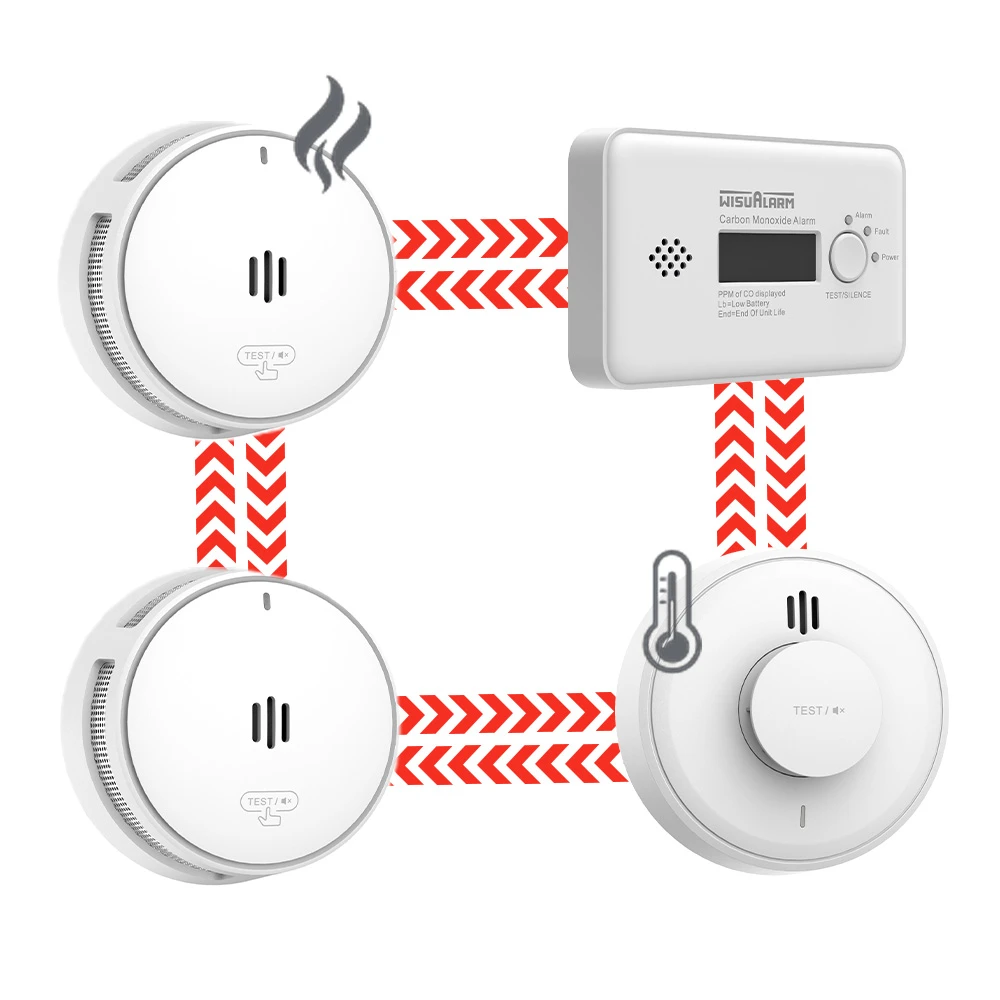
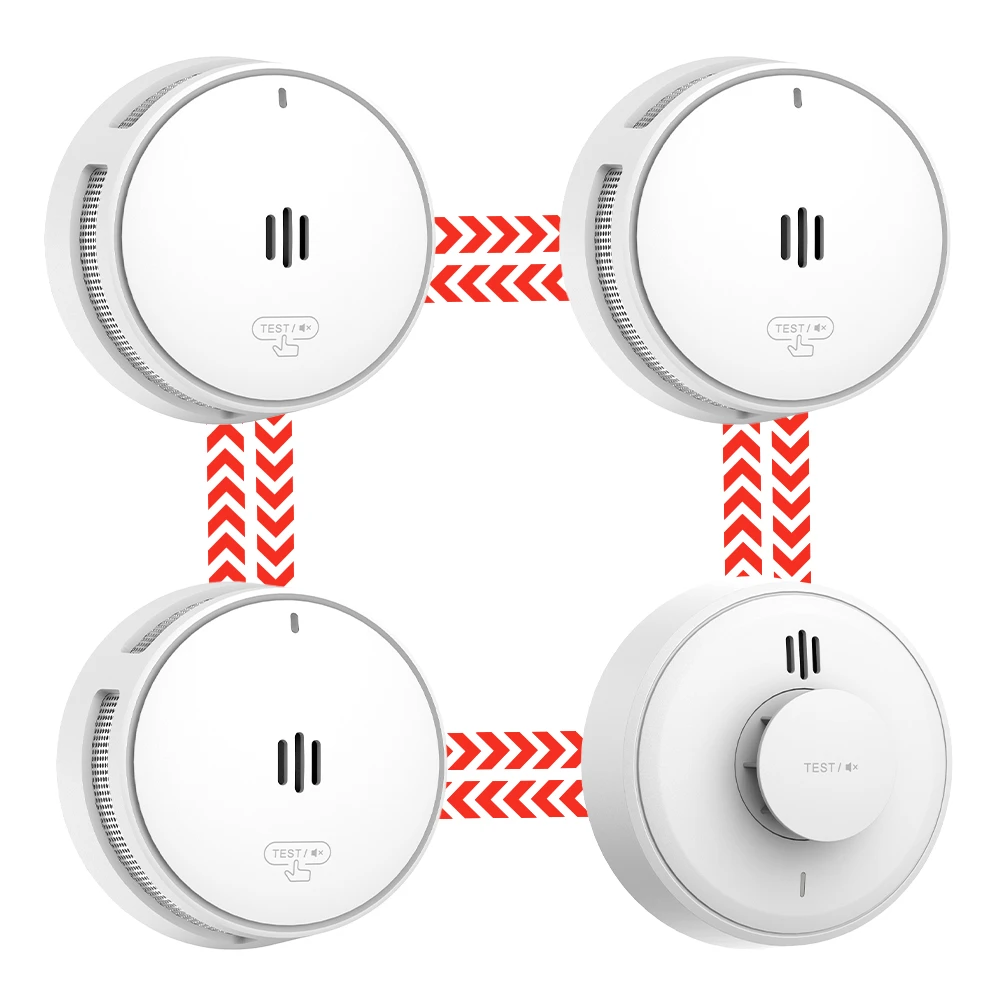
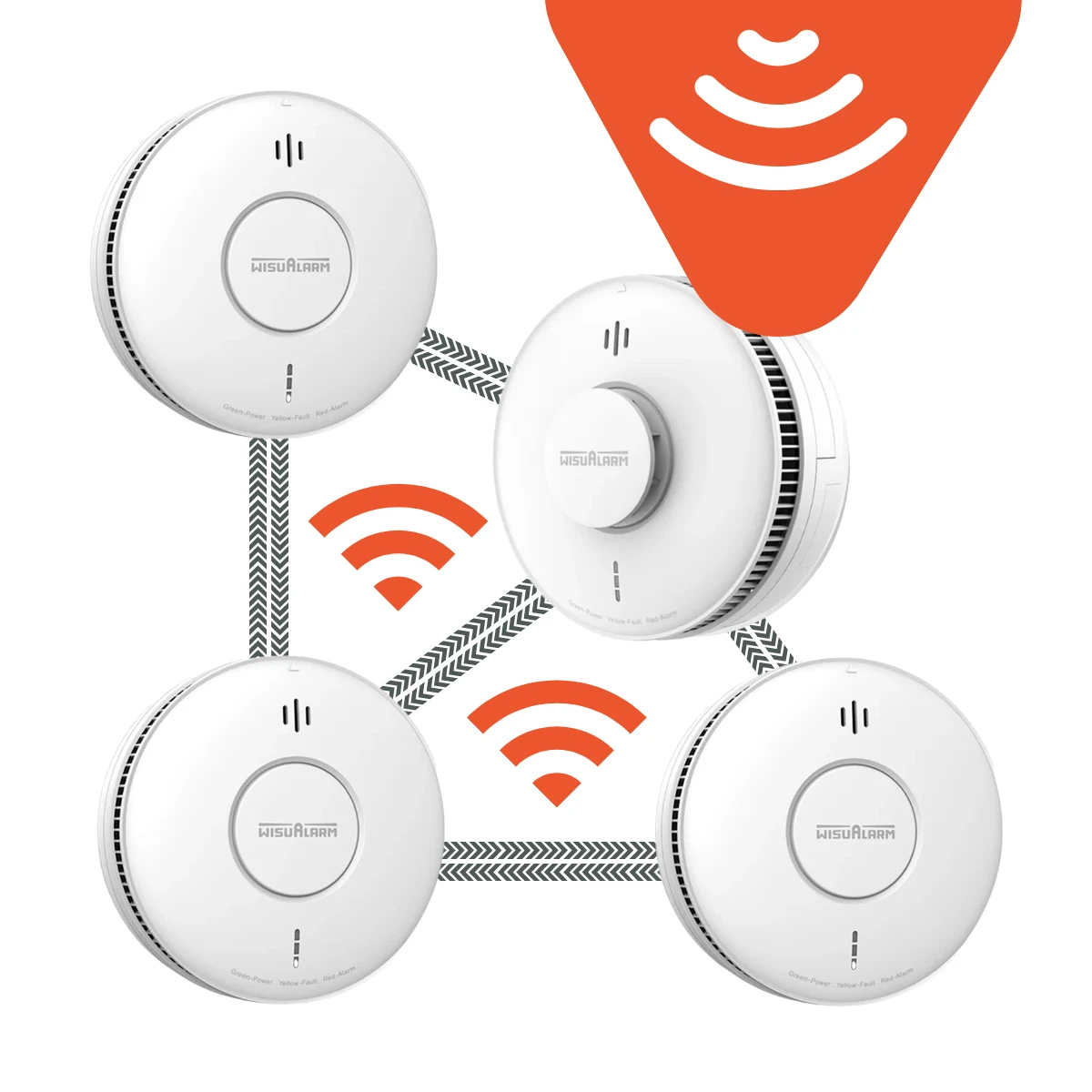
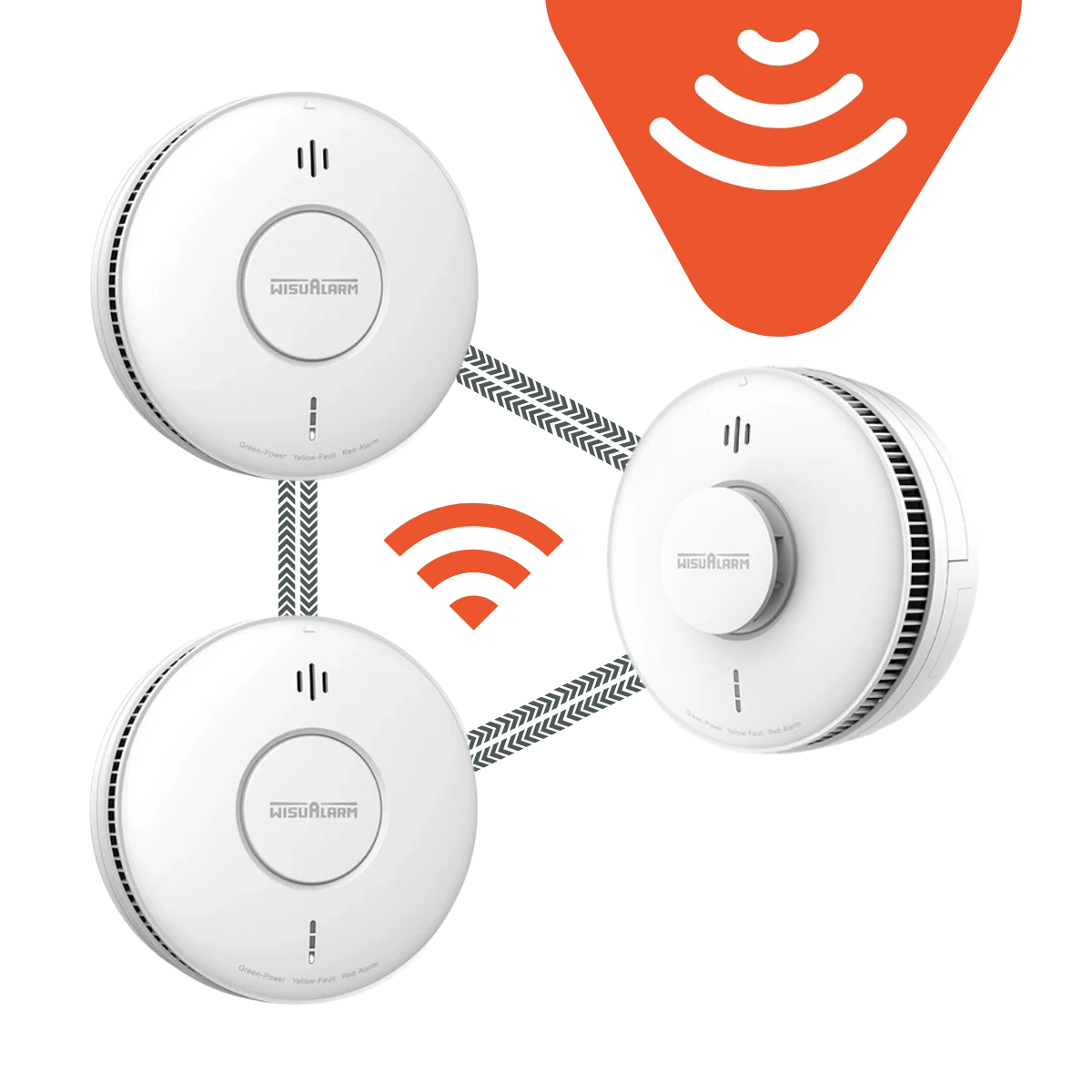
There are several options available for home fire protection. Our experts at Fire Detection Shop recommend mains powered smoke alarms that are interlinked, either by wire or wirelessly, to provide better coverage throughout the home.
If you need help choosing new alarms, take a look at our Smoke, Heat & CO Alarm Collection for the Home
05/03/2025 • by Alice P
25/04/2025 • by Alice P


