
Need assistance?
Need Assistance? Call Us 0330 058 0630
23/06/2026 • by Alice P
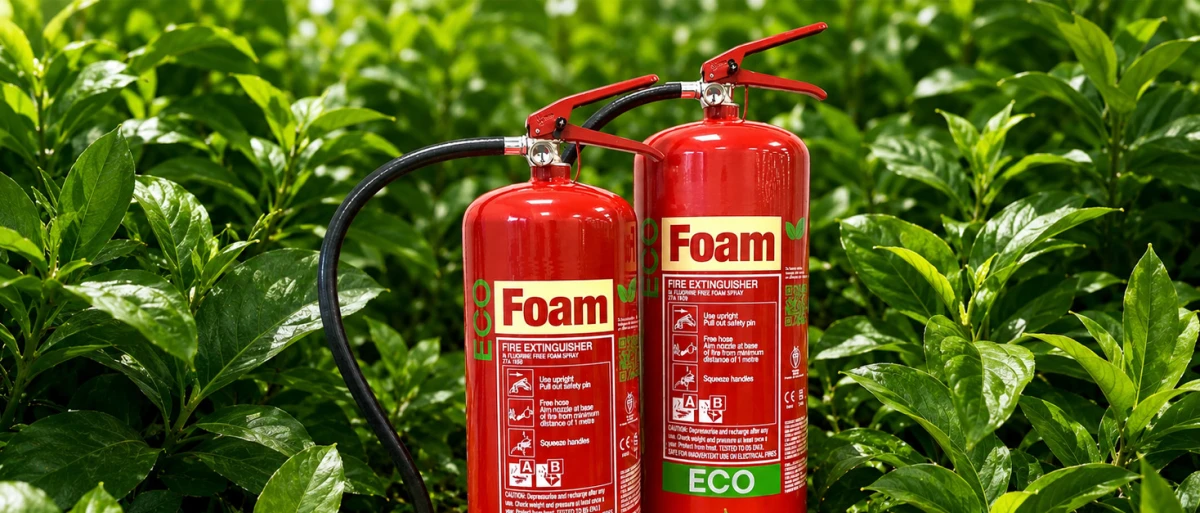
If you've been looking for fire extinguishers recently, there's a good chance you've seen that the term PFAS has been mentioned a lot.
For most people, it's not exactly a topic that comes up in everyday conversation. Yet behind the scenes, it's becoming one of the biggest changes to hit the fire extinguisher market in years.
Manufacturers are launching new products, regulations are evolving and buyers are starting to ask questions about what they're putting into their buildings.
PFAS is the name given to a large group of synthetic chemicals that have been used for decades in all sorts of products.
You'll find PFAS in a vast array of everyday items, including waterproof clothing, non-stick cookware and, certain firefighting foams.
In the fire industry, PFAS helped foam extinguishing agents spread quickly across burning liquids and form a barrier that helped prevent reignition.
Unfortunately, the downside is that these chemicals don't disappear particularly easily.
These chemicals sadly take a very long time to break down, hence they’re sometimes referred to as “forever chemicals”

In many applications, they work very well. But the issue is what happens after they've been discharged.
Researchers have found traces of PFAS in rivers, groundwater and soil around the world. Because they break down so slowly, they can remain in the environment long after the original source has gone.
As a result, regulators across the UK and Europe have been taking a closer look at how these chemicals are used and whether there are more environmentally responsible alternatives available.
That's prompted manufacturers to start developing extinguishing agents that can deliver the fire performance people expect, without relying on PFAS-based chemistry.

The fire extinguisher market is slowly adapting, but it does not mean owners of PFAS foam extinguishers need to worry.
For years, many fire extinguishers, particularly foam, relied on fluorinated compounds to achieve their fire ratings.
Today, extinguisher manufacturers are investing heavily in fluorine-free alternatives that can still provide effective protection against common fire risks.
Many new-generation extinguishers are appearing on the market. Not because traditional extinguishers suddenly stopped working, but because the industry is adapting to changing expectations around environmental responsibility.
The short answer is no.
If your extinguishers are compliant, correctly maintained and suitable for the risks present, there is generally no need to rush out and replace them.
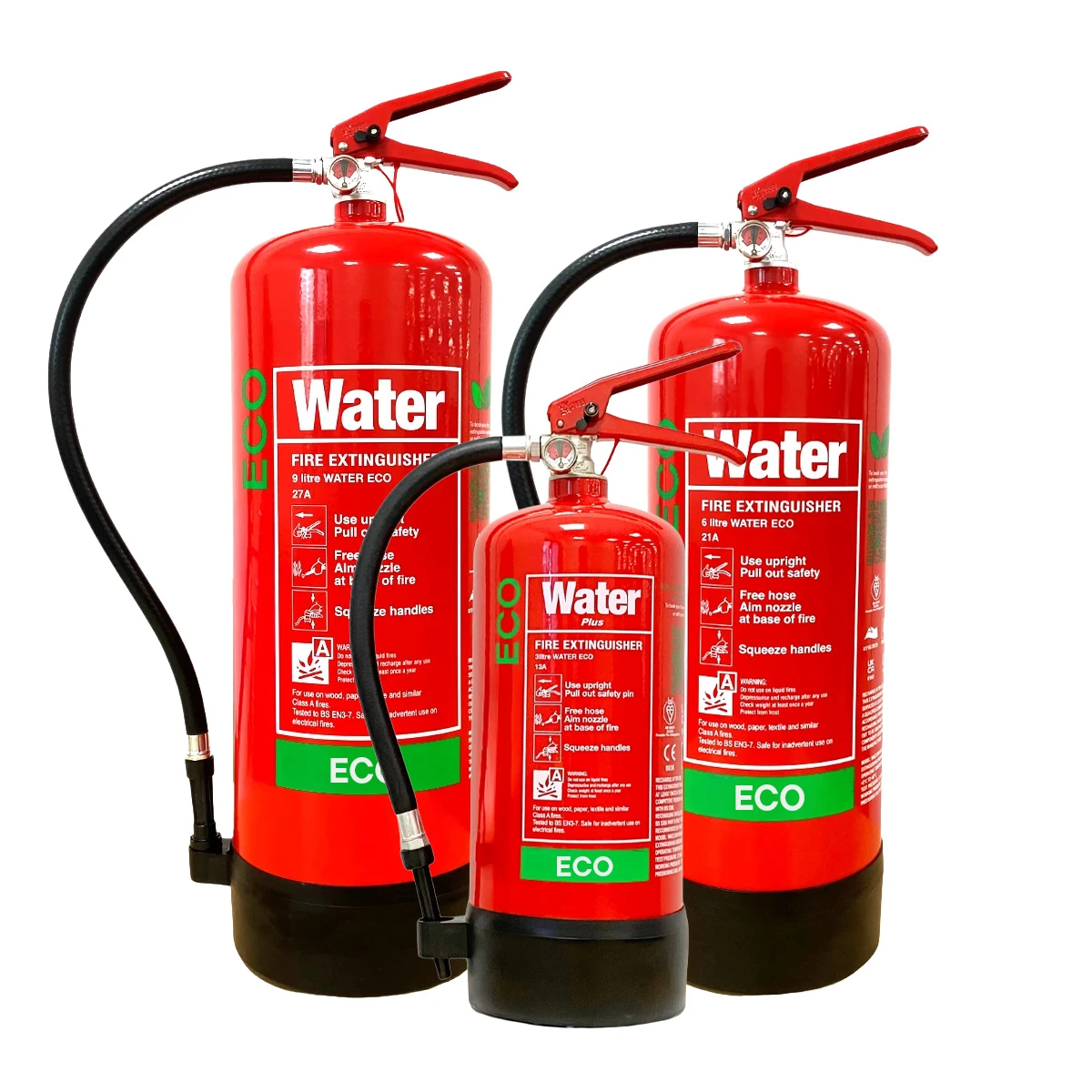
However, if you're specifying extinguishers for a new project or replacing equipment that's reached the end of its service life, it's worth taking a look at some of the newer fluorine-free fire extinguisher options now available.
For many organisations, they offer a way to future-proof their fire safety provision while reducing reliance on chemicals that may face tighter restrictions in the years ahead.
It’s an exciting industry. Fire safety is always evolving.
New risks emerge, regulations change and technology improves. The move away from PFAS is the latest example of that.
It’s a topic worth understanding because it's likely to influence the types of extinguishers you'll see specified and installed over the coming years.
29/07/2025 • by Alice P


